Louisiana has joined Alabama and Arkansas in asking the U.S. Supreme Court to invalidate abortion ‘shield laws’ in New York, California and Massachusetts, escalating a growing conflict over whether one state can protect providers who prescribe and mail abortion medication to patients in states where abortion is prohibited or heavily restricted.
The case could force the justices to address an interstate question left unresolved after the Court’s 2022 Dobbs decision returned broad authority over abortion policy to the states: what happens when the laws of two states point in opposite directions during the same telehealth transaction?
Louisiana Says the Shield Laws Block Enforcement
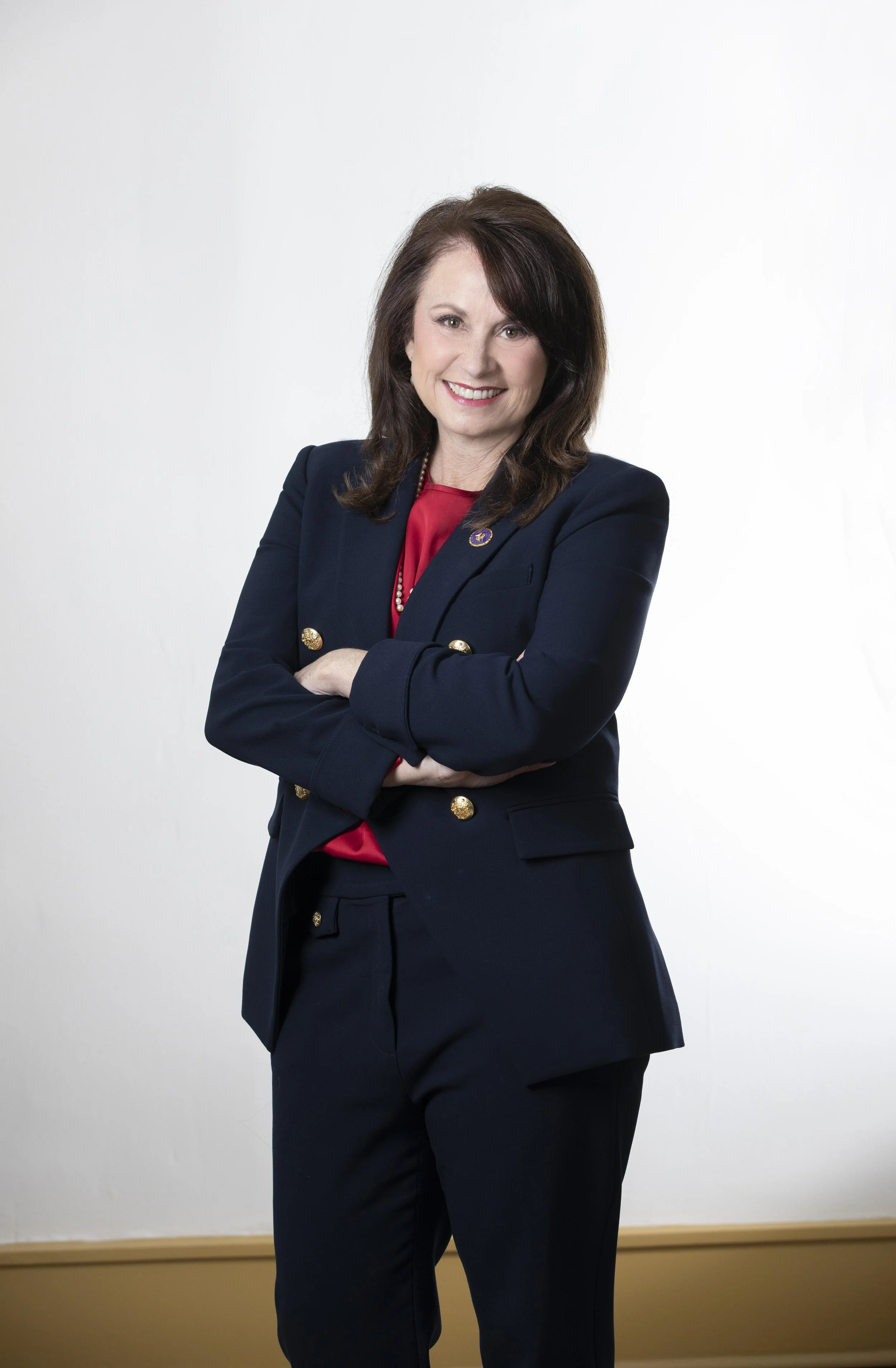
Louisiana Attorney General Liz Murrill’s office says the challenged laws restrict cooperation with out-of-state investigations, limit extradition and prevent enforcement of certain judgments and subpoenas. Louisiana, Alabama and Arkansas argue those protections interfere with their ability to enforce their own abortion laws when medication is prescribed elsewhere and shipped into their states.
The states are asking the Supreme Court to consider claims under the Full Faith and Credit Clause, the Dormant Commerce Clause, the equal-sovereignty doctrine and federal common law.
Those are the plaintiff states’ legal arguments, not findings by a court. The Supreme Court has not yet agreed to hear the case or ruled on the merits.
New York Rejects Louisiana’s Argument
New York Attorney General Letitia James says the lawsuit is an attempt by states with abortion bans to extend those laws into New York and punish physicians for care that is legal under New York law. Her office has pledged to defend the state’s shield law.
The clash illustrates the central constitutional dispute: Louisiana argues that other states cannot use their laws to frustrate conduct Louisiana prohibits within its borders, while shield-law states argue they are entitled to protect providers acting lawfully under their own laws.
A Rare State-vs.-State Case
Rather than beginning in a federal district court, Louisiana, Alabama and Arkansas filed directly at the Supreme Court under the Court’s original jurisdiction over certain disputes between states. Direct state-against-state cases are uncommon, and legal scholars cited by the Associated Press described this as the first direct Supreme Court challenge by states to other states’ abortion shield laws.
The justices must first decide whether to take the case. If they decline, related disputes over cross-border medication abortion can continue through other state and federal proceedings.
A Separate Louisiana Lawsuit Targets Providers
The three states also filed a separate lawsuit in the Western District of Louisiana against 30 individuals and organizations accused of prescribing, dispensing, advertising or shipping abortion medication into states with bans.
That complaint alleges the defendants made false or misleading representations about the safety, effectiveness, legality and risks of abortion-inducing drugs and asks the court for injunctive relief, damages, civil penalties and other remedies. Those claims are allegations and have not been established by a court. The defendants will have an opportunity to contest them.
Medication abortion has become the central practical issue in the post-Dobbs interstate fight because telehealth allows a provider in one state to prescribe medication to a patient physically located in another. Mifepristone and misoprostol are commonly used for medication abortion; federal regulators permit mifepristone to be prescribed through telehealth and dispensed by mail under current rules.
What Happens Next
The immediate question is procedural: whether the Supreme Court agrees to exercise its original jurisdiction and hear the states’ challenge. If it does, the eventual ruling could have consequences well beyond abortion policy by defining how far states may go in insulating their residents from another state’s criminal or civil laws.
For Louisiana, the case represents the latest effort to enforce its abortion restrictions against conduct that begins outside the state but reaches Louisiana residents. For New York, California and Massachusetts, it is a test of whether their legislatures can legally protect providers from those out-of-state enforcement efforts.
The Supreme Court now has to decide whether it will step into the conflict.
Source Notes
Louisiana Attorney General, Sept. 30, 2026: https://www.ag.state.la.us/Article/637
New York Attorney General, Sept. 30, 2026: https://ag.ny.gov/press-release/2026/attorney-general-james-releases-statement-supreme-court-shield-law-challenge
Associated Press, Sept. 30, 2026: https://apnews.com/article/62dda4e534b052a5560256e649d38290